
AI Image Humanizer — make AI photos look real
One pass removes the giveaways — waxy skin, light from nowhere, backgrounds that melt — and re-renders your image the way a real camera would have caught it. The person, the pose and the framing stay exactly as they are.
Upload an image to transform or edit
Result
Your result will appear here
Upload an image and describe your transformation to generate
What humanizing actually changes
Both pairs hold the person, pose and framing fixed. Every difference you can find is in how the image reads as a capture — which is the entire job.
The half-second test: why your eye says "AI" before you can explain it
Nobody inspects pores to decide a picture is fake — the verdict arrives in half a second, from everything at once. On the left, skin is one continuous tone, the room light comes from nowhere in particular, and the background is furniture-shaped rather than furniture. The humanized version gives your eye nothing to snag on: texture where texture belongs, white balance with an actual source, objects that survive being looked at directly. Same person, same pose, same room — the difference is that this one stops raising the question.
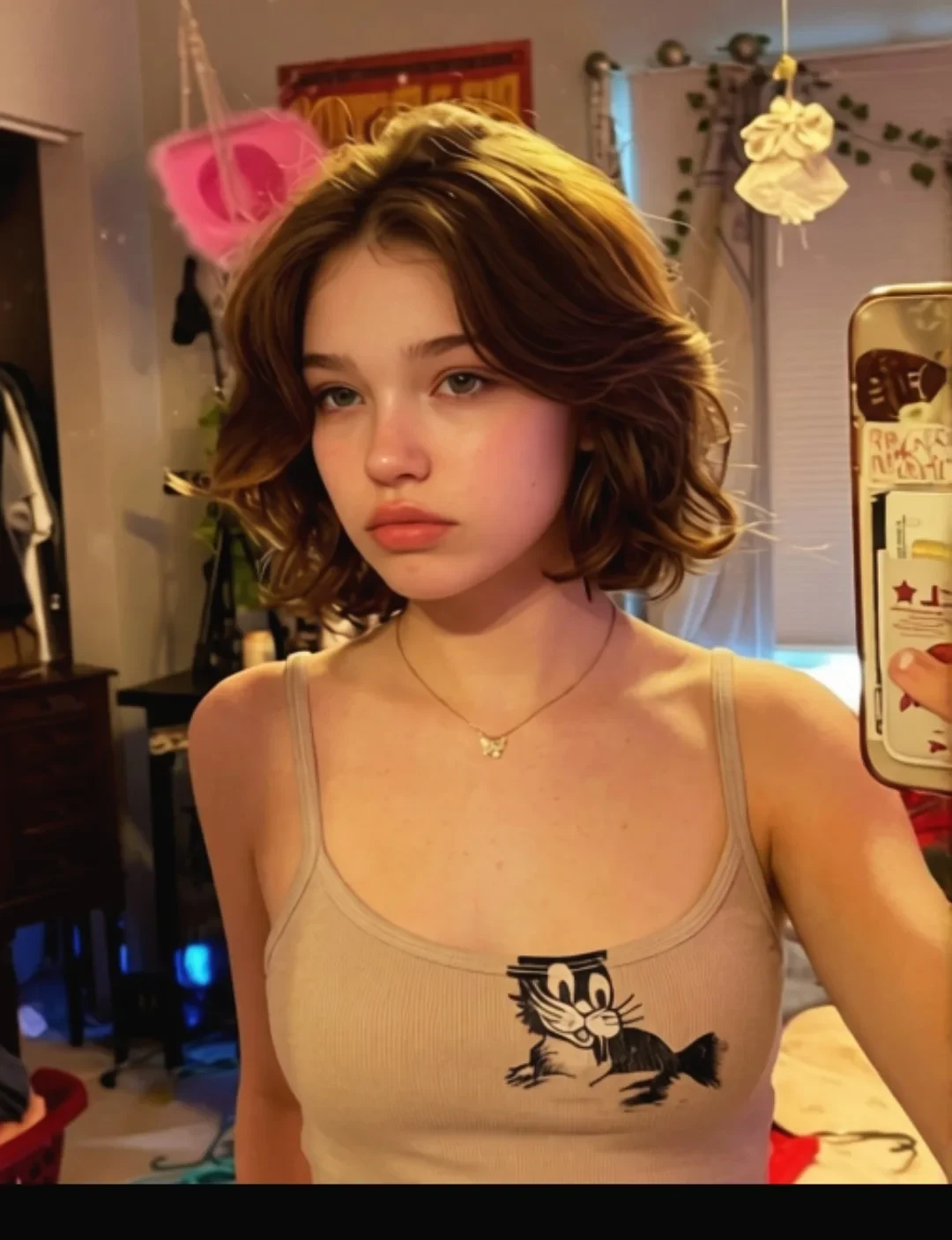 Before
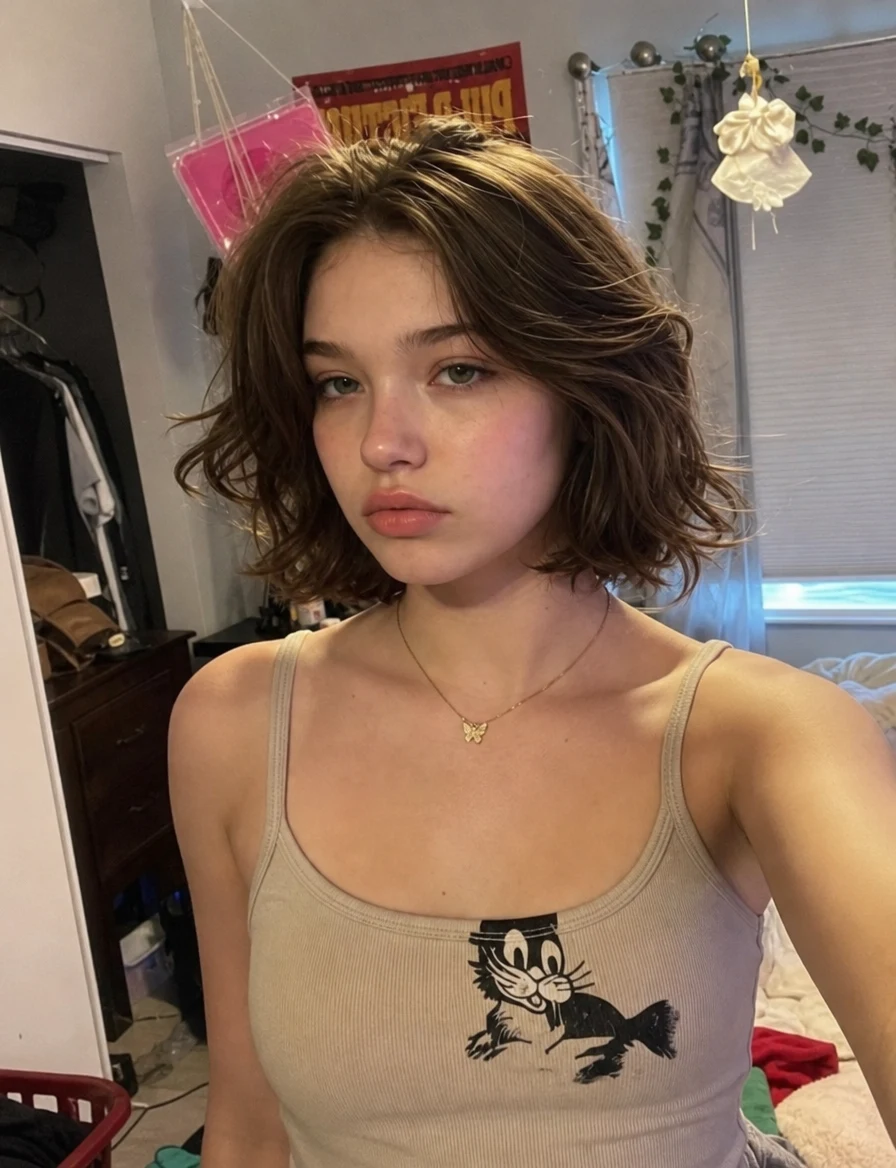 AI Result
Outdoor light is the hardest tell to fake — and the first one checked
People who suspect an image is AI go straight to the light: do the shadows agree with each other, does the sun commit to a direction, does the window reflect a street that exists? Generated images tend to hedge — soft shadows from three directions, highlights without a source. After humanizing, the frame tells one story: hard sun from one side, blown highlights exactly where leather would catch them, a reflection with legible detail behind the glass. When the light agrees with itself, the question never comes up.
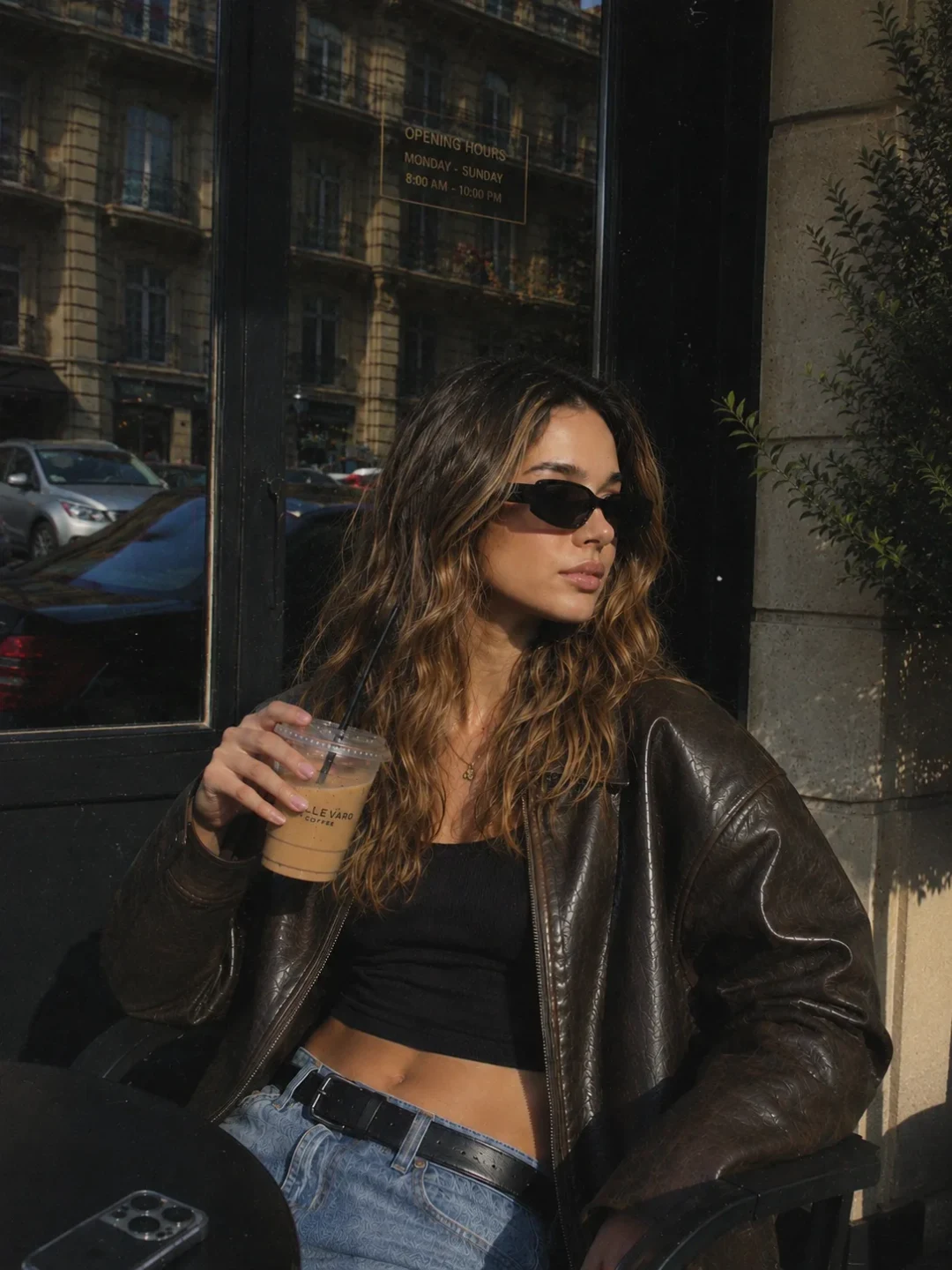 Before
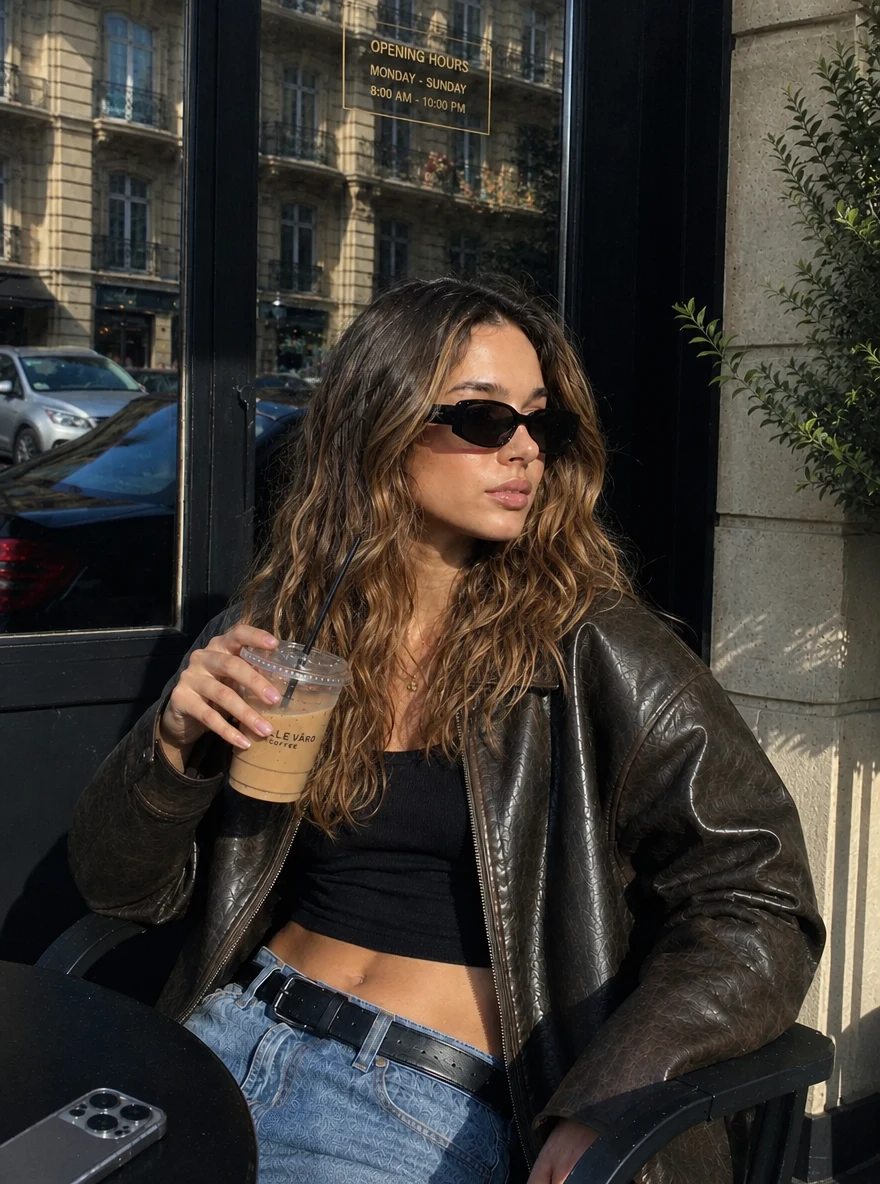 AI Result
What is an AI image humanizer?
An AI image humanizer takes an image that reads as AI-generated and re-renders it to read as a photograph — the same subject, pose and scene, captured the way a real camera would have caught them. The term comes from the text world, where a humanizer rewrites AI prose until it sounds like a person; this is the identical job for pixels, and it exists for the same reason: generating the content got easy, while making it feel human stayed hard.
What it is not is an enhancer. Enhancers sharpen, brighten and smooth — all of which push a face further toward the rendered look. A humanizer moves in the opposite direction: it adds back the texture, the uneven light and the small imperfections that perfection stripped out, because those imperfections are what your eye uses to decide something is real.
Last updated:
The six tells it removes
Nobody consciously checks a list — the eye reads all of these at once and returns a verdict in half a second. The pass addresses them together, which is why single-fix edits never quite get there.
Waxy, poreless skin
The number-one giveaway. Real skin has pores, fine lines, slight shine and uneven tone; generated skin is a single airbrushed surface. The humanizer puts the texture back without adding blemishes that were never there.
Light from nowhere
Real photos are unevenly lit — a warm cast from a lamp, shine on a forehead, shadows that agree on a direction. Generated images light everything equally, which is exactly what makes them feel staged.
Too-perfect geometry
Perfectly symmetric faces, perfectly draped fabric, hair that flows as one shape. Reality is slightly crooked: strands escape, collars sit unevenly, and that irregularity is what your eye reads as "real".
Colour that is too clean
AI colour is graded like an advertisement — saturated, contrasty, noiseless. A phone camera renders colour with a particular, familiar imperfection, and matching that rendering is most of what "looks real" means.
Backgrounds that melt
Look past the subject in a generated image and objects go abstract: shelves without contents, posters without words, streets without cars. The humanizer resolves the background into things that survive a second look.
No trace of a camera
A real photo carries evidence of the device that took it — sensor grain, focus falloff, mild motion softness. Renders are suspiciously clean. Adding the camera back is the finishing touch that ties the rest together.
How to humanize an AI image
- 1
Upload the AI image
Any AI-generated image works — from ChatGPT, Midjourney, Gemini or our own generators. Over-filtered real photos work too; the job is the same.
- 2
Run it, or tell it what to fix
The default instruction handles the usual tells in one pass. If something specific gives your image away — skin, lighting, colour — name it in the prompt box and the pass focuses there.
- 3
Download in about 30-60 seconds
The humanized image comes back with pose, framing and identity untouched — only the rendering changes. Every account gets 2K output, free ones included.
Humanizer vs re-prompting vs manual retouching
Three ways to deal with an image that looks AI. They differ mostly in what you risk losing along the way.
| Re-prompting the generator | Manual retouching | AI image humanizer | |
|---|---|---|---|
| What you do | Rewrite the prompt, roll again | Grain, blur and colour work by hand | Upload, run one pass |
| Keeps your image | No — every roll is a new image | Yes | Yes — pose and identity held fixed |
| Time | Unbounded — luck-based | About 30-60 min per image | About 30-60 seconds |
| Skill needed | Prompt-craft | Photoshop proficiency | None |
| Best for | When the composition is wrong anyway | Pixel-level control on one hero image | Making the image you already like read as real |
The re-prompting column is the real competitor: it is what everyone tries first. It works until you get an image you actually like — at which point every re-roll risks the thing you are trying to keep, which is exactly the moment this tool is for.
Who runs a realism pass
One-off fixes and weekly workflows land on the same button. The difference is only how often they come back.
AI portraits going on a profile
A profile photo that reads as AI-generated costs credibility exactly where you need it. Humanizing is the difference between "nice photo" and "why does your photo look like that".
Creators posting AI visuals
Audiences scroll past the AI look, and they are getting faster at spotting it. Creators who publish AI imagery weekly run every frame through a realism pass before it ships.
Marketing and UGC-style visuals
Ad creative works when it feels like a customer shot it. AI product-in-use imagery only performs after the render sheen comes off — plastic skin in an ad reads as a scam signal.
AI art headed for print
The render look that passes on a phone screen is merciless at poster size. A realism pass before upscaling gives print the material texture that large formats expose.
Over-filtered real photos
Beauty filters produce the same waxy skin as a generator. The pass works in reverse too — taking a real photo that filters made artificial back to natural.
Dating profile photos
The highest-stakes case there is: a match who suspects the photo is fake is gone. Enhanced photos need to stay recognisably, checkably you — natural texture is what makes that credible.
Frequently asked questions
What is an AI image humanizer?
An AI image humanizer is a tool that takes an AI-generated image and re-renders it to look like a photograph taken with a real camera — restoring skin texture, natural lighting, believable colour and background detail while keeping the subject, pose and composition exactly as they are. The name is borrowed from text-side AI humanizers; this is the same job for images.
How does it work?
One pass, one instruction: render this image the way a familiar phone camera would have captured it. The model already knows what a phone photo looks like — the skin, the colour response, the imperfect light — so the image is re-rendered with those characteristics instead of being edited tell by tell. Identity, pose and framing are preserved; only the rendering changes.
Is the AI image humanizer free?
Your first image is free: new accounts get 5 credits on sign-up and a humanizing pass costs 5 credits, so you see a full result before paying anything. After that, credit packs start at $9.99 for 350 credits — about 70 images. No subscription required and no credit card needed to try it.
Will the result bypass AI detectors?
No, and that is not what this tool is for. Detection systems read metadata, provenance signals and statistical patterns that visual realism does not touch, and no tool can honestly promise to beat them all. The humanizer makes images look natural to people. If a platform requires AI content to be labelled, label it — a better-looking image does not change what it is.
Will it change my face or composition?
No. The pass is explicitly constrained to rendering: facial identity, expression, pose, clothing, framing and the scene all stay as they are. What changes is how the image reads as a capture — skin texture, light behaviour, colour response and background resolution.
What resolution do I get?
2K, on every account — there is no lower free tier. If the image is headed for print, run the humanizer first and an upscaler second — realism at native size, then resolution on top of it.
Does it work on real photos that filters ruined?
Yes. Beauty filters and heavy retouching create the same tells as a generator — waxy skin, flattened light, over-clean colour — and the pass reverses them the same way. If that is your whole use case, the dedicated filter-removal page does exactly this job.
How is this different from Remove AI Look and Make AI Photo Realistic?
Same engine, same price — three doors into one job. Those two pages are single-purpose entries built around their own search phrases; this page is the hub for the whole realism toolkit, and the place to start if you were not searching for one of those exact phrases.
See your image without the AI look
Upload one image and judge the result yourself — the first pass is on us.
Need to change the text inside the image?
Realism is about how a photo looks, not what it says. When the problem is wording baked into the picture — a caption, a label, a screenshot — our sister site edittextimage.com edits that directly.
Edit text in a screenshot
Fix a typo, blank out a name or change a number in a screenshot, with the interface around it left alone.
Edit text in an image with the same font
Matches the original typeface, weight and colour, so the replacement does not read as pasted on.
Edit text in a JPG
Works straight on a flattened JPG — no layers, no original project file needed.
Replace text in a photo, free
Swap the wording on a sign, label or poster inside a photo, free to try.
Related tools
Make AI Photo Realistic
The same engine, built around converting an AI render into a photo.
AI to Real Image Converter
The one-click converter framing: upload, convert, download.
Remove AI Look
The same engine, framed as subtracting the AI tells from a finished image.
Remove Filter from Photo
The reverse case: real photos that beauty filters made artificial.
Photo Upscaler
The step after realism: resolution for printing and large formats.
AI Headshot Generator
Professional headshots with the same no-plastic-skin standard.
Dating Profile Photos
The highest-stakes place a photo can look fake.
GPT Image 2 Generator
Generate the image first, humanize it here after.
GPT Image 2.5
OpenAI's newest — it can take the plastic skin and orange cast off in one instruction.
Photo Enhancer
For when the problem is quality, not realism.
Last updated: 2026-07-25