FREE
Loading…
Just upload and click to process - no prompt needed
Upload a photo and click the button to start processing
No Prompt Needed
Conversion Time
Output Resolution
User Rating
Each pair is an actual output of this converter — no retouching, no cherry-picked stock. The left image went in, the right image came out.
The classic AI portrait look — waxy skin, cinematic studio glow, perfect grooming — converted into what reads as a casual phone selfie: same man, same shirt, a real couch and real indoor light. This is the ai photo to real photo conversion most people come for.
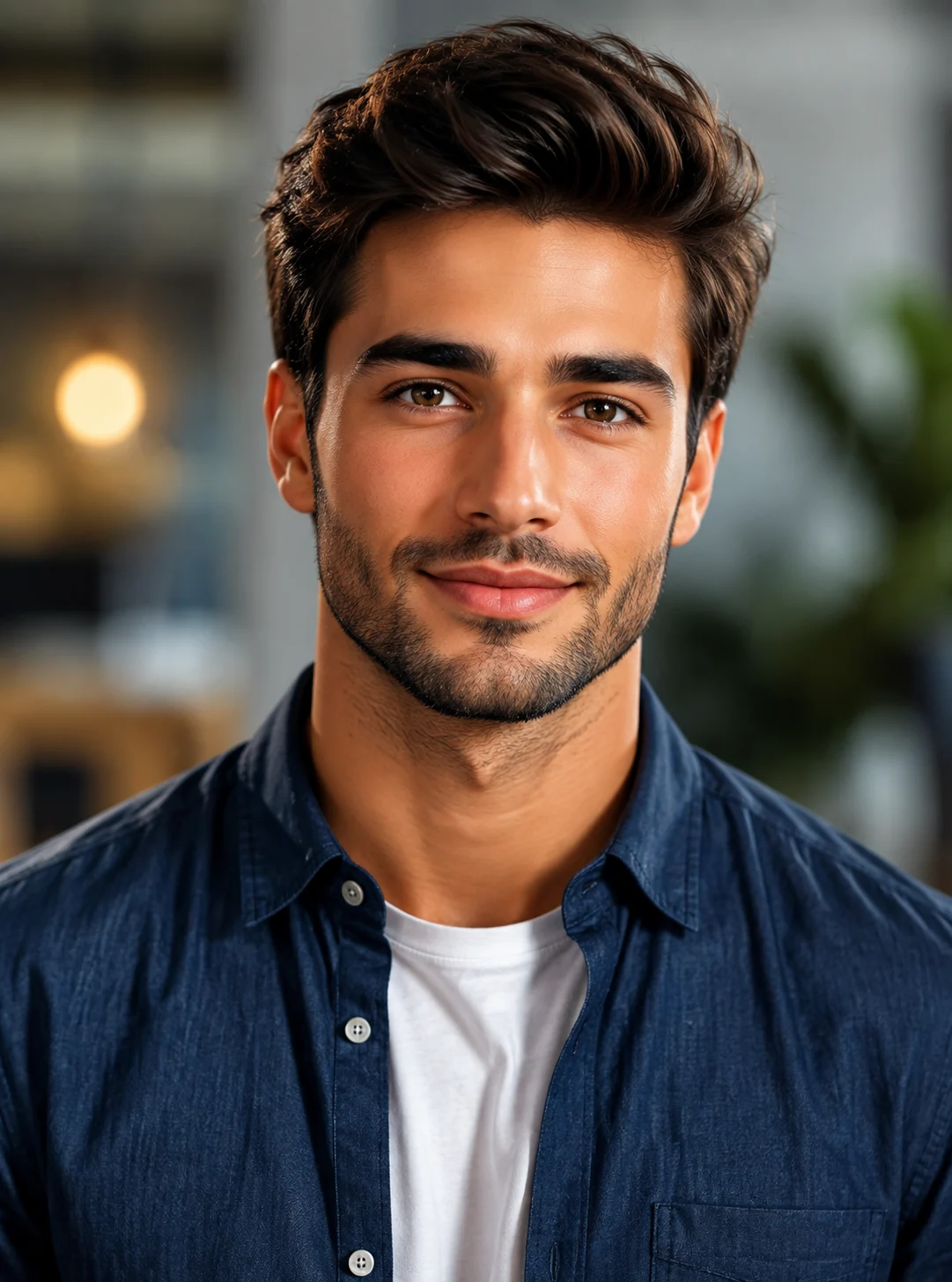 Before
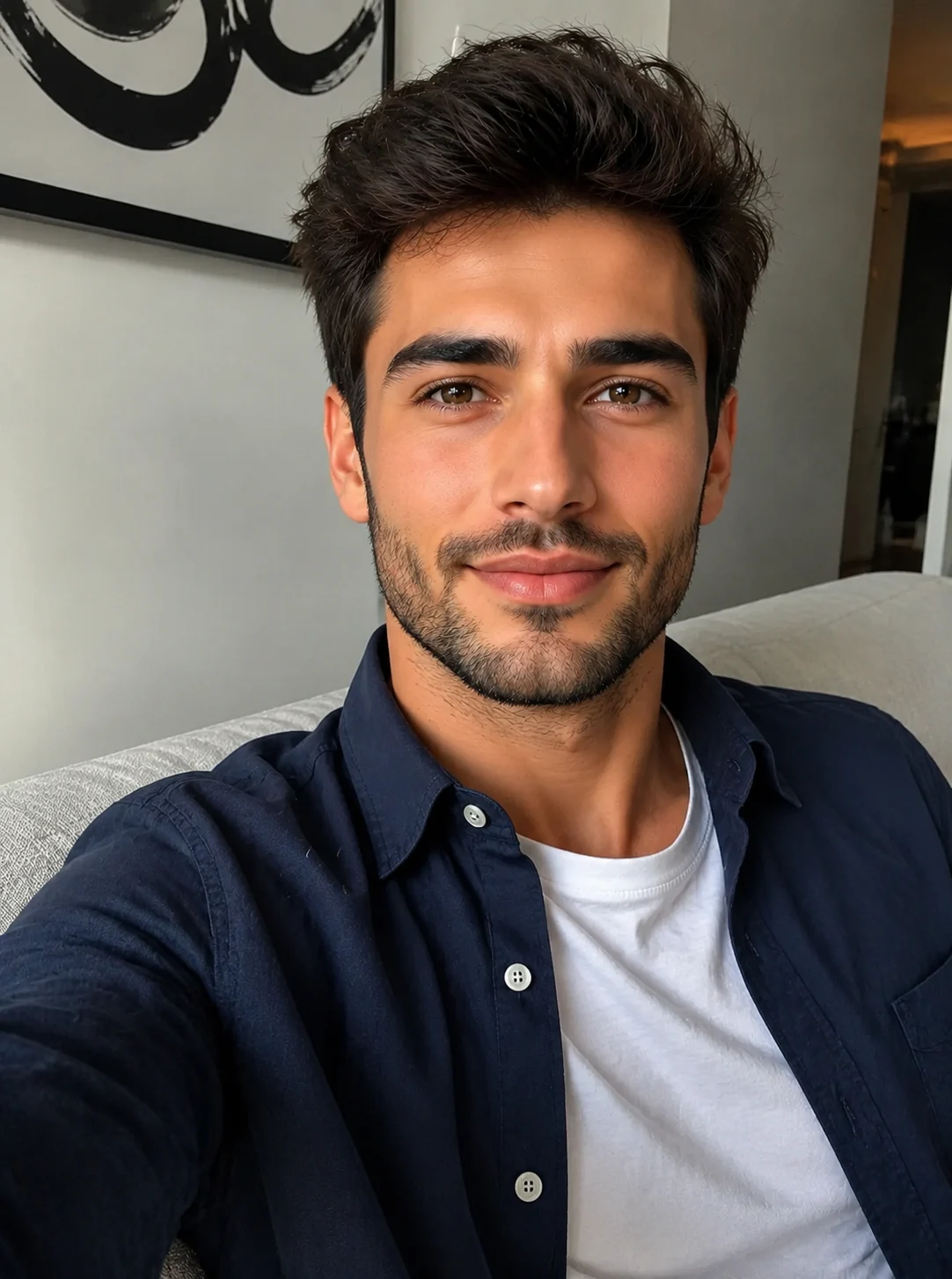 AI Result
An AI cafe interior with the typical golden over-glow and painted surfaces, re-rendered as a photograph: same room, same layout, but true daylight, real wood grain, and colors a camera would actually record.
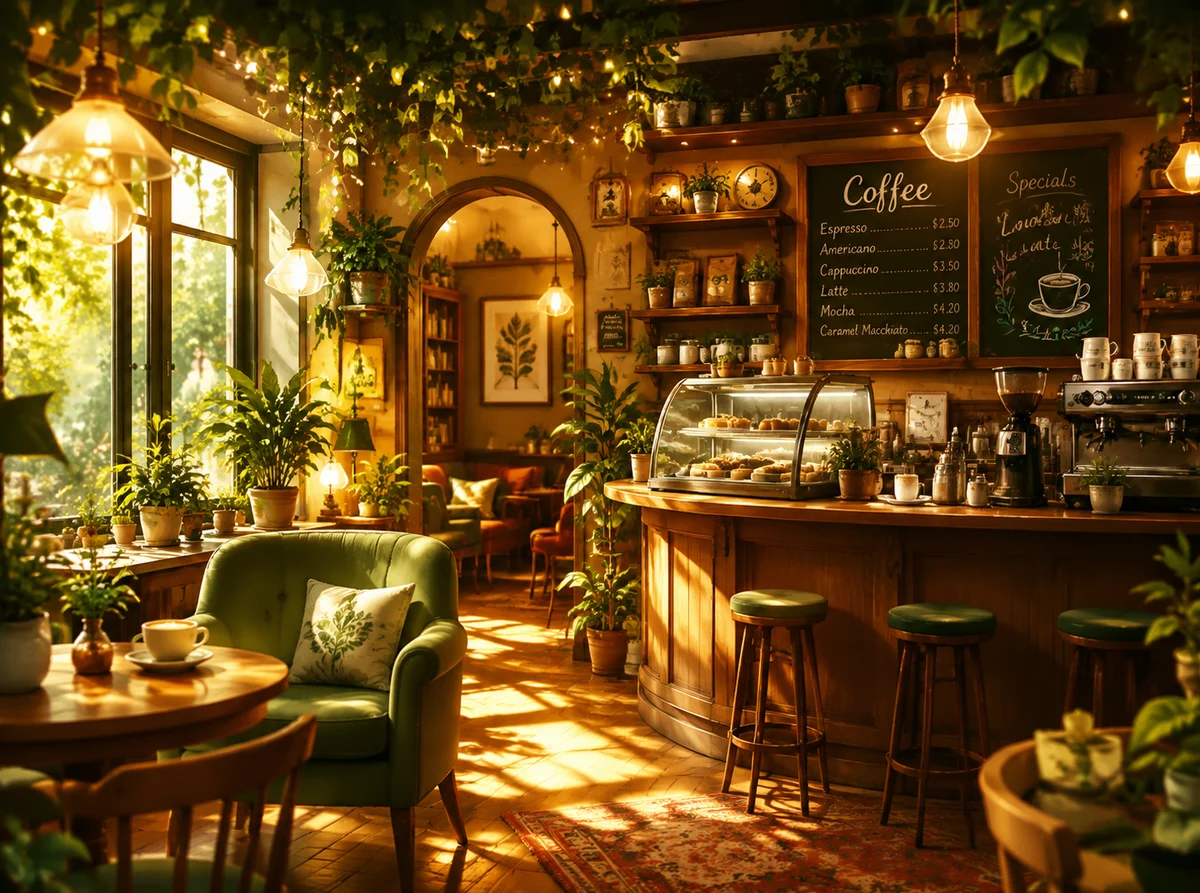 Before
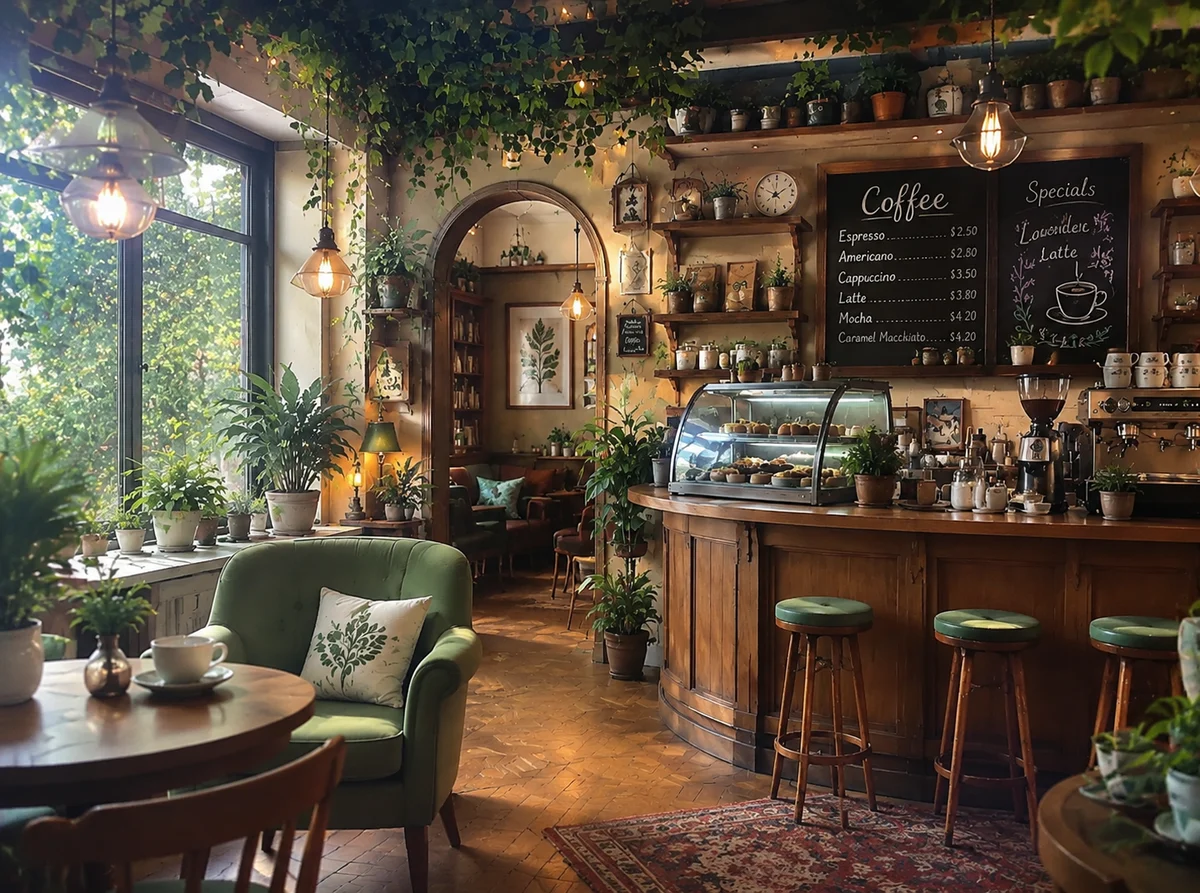 AI Result
A glossy CGI product render on a neon gradient becomes a photo that could sit in a real listing: the mug and its artwork are untouched, while the setting turns into a real table by a window.
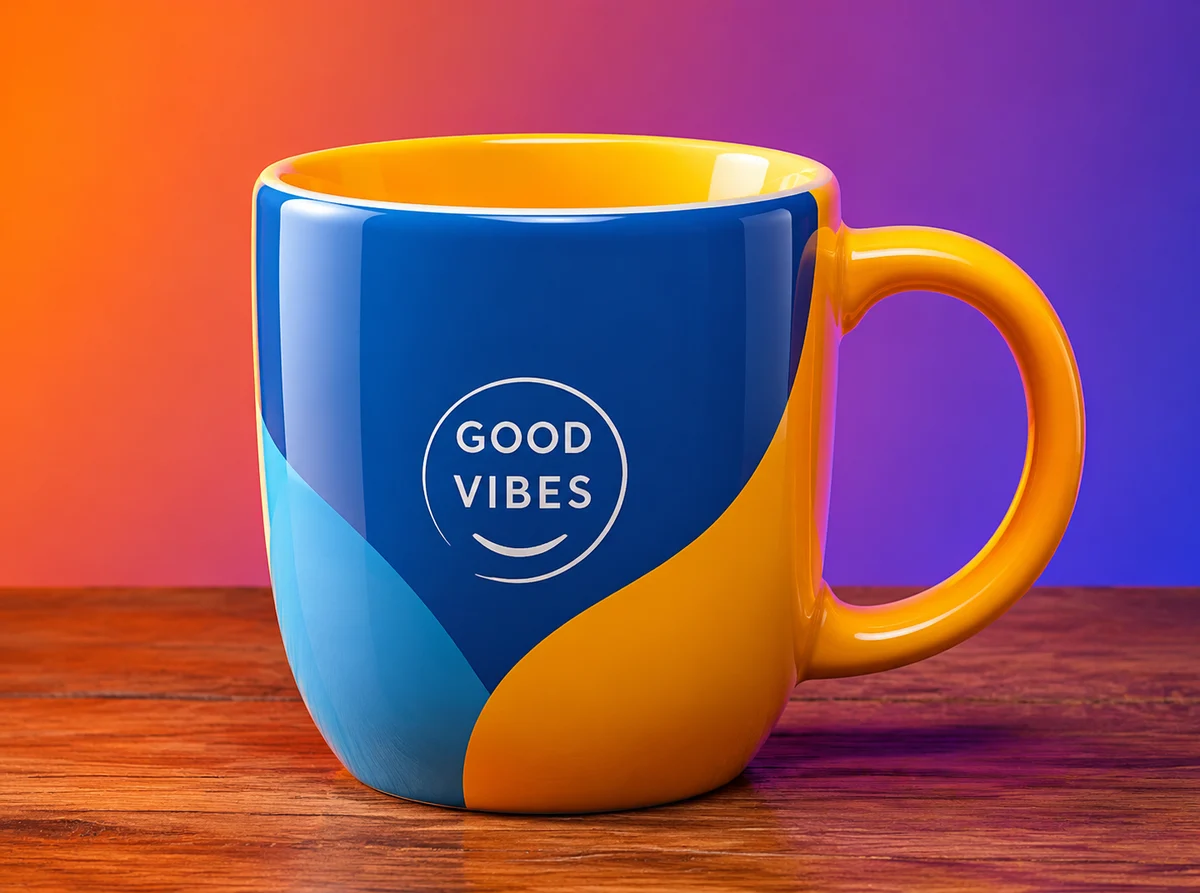 Before
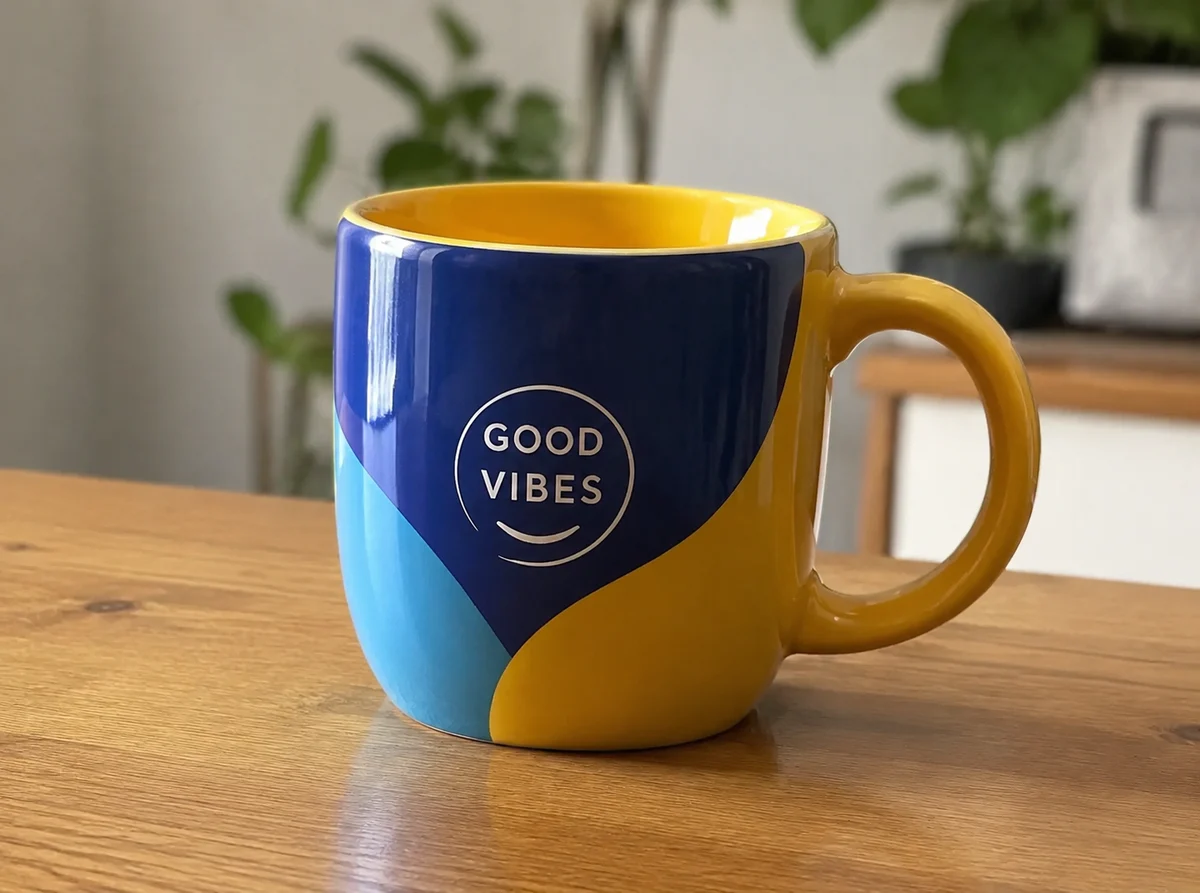 AI Result
Upload an AI-generated image and get back a photo that looks like a camera took it — same subject, same pose, real textures
An AI image to real image converter takes an AI-generated image and re-renders it as a realistic photograph. AI generators produce a recognizable look: skin that is too smooth and evenly lit, plastic-like highlights, over-saturated colors, and backgrounds with a painted quality. The converter replaces those tells with what a real camera produces — natural skin texture with visible pores, uneven real-world lighting, believable shadows, and true-to-life color.
Our converter runs on GPT Image 2 with a purpose-built realism instruction: the model keeps your subject, pose, framing and composition exactly as they are, and changes only the rendering — so the output is your image, as a photo, not a new image. The instruction is tuned to look like a phone-camera capture, because that is what real photos on the internet actually look like.
There is nothing to type and nothing to configure. Upload the AI image, click Convert, and the realism instruction is applied automatically — the same one-click flow whether your image came from Midjourney, DALL·E, Stable Diffusion, Flux, or any other generator. Conversion takes about 30 to 60 seconds and outputs at up to 2K resolution.
One click matters because the hard part of de-AI-ing an image is the prompt. Generic instructions like "make it realistic" often re-pose subjects, invent new faces, or swap backgrounds. Ours has been through months of production iteration on thousands of images — including fixes as specific as keeping the model from inventing freckles while adding skin texture — so you get the accumulated tuning without writing a word.
The converter runs entirely online — no download, no install, and it works from a phone or a laptop browser. Sign up and you get 5 free credits; one conversion costs 5 credits, so your first AI to real image conversion is free and you can judge the quality before spending anything.
After the free conversion, credit packs start at $9.99 for 350 credits — about 3 cents per image, with no subscription. Every conversion outputs at 2K, free and paid alike — resolution that holds up for profile pictures, listings, and print-adjacent uses.
The usual first instinct is to go back to the generator and add "photorealistic" to the prompt. That produces a new image: a different face, a different pose, a different composition — because generators sample fresh every run. If you already have the image you want, re-generating gambles it away. An AI image to real image converter works on the image you have: same subject, same framing, only the rendering changes.
The other alternative is manual editing — adding grain, pulling saturation, softening highlights in a photo editor. That treats the symptoms but not the tell: AI skin stays structurally smooth under any amount of grain, and painted backgrounds keep their painted geometry. Conversion re-renders the surfaces themselves, which is why a converted image passes a close look where a filtered one does not. One click versus twenty minutes of masking is the difference in effort; the difference in result is texture that is actually there versus texture layered on top.
Portraits are where AI images fail hardest and where conversion matters most. AI-generated people have glass-smooth skin, symmetrical studio lighting, and eyes with an airbrushed sheen — instantly recognizable on a dating profile, a LinkedIn page, or a social avatar. The converter rebuilds the skin with natural texture, breaks up the artificial lighting, and keeps the face itself unchanged.
That last part is the point: an AI photo to real photo converter is only useful if the person still looks like the same person. The instruction explicitly preserves identity, expression and pose, and only re-renders surface realism — so the converted portrait reads as a candid photo of the character you generated, not a stranger.
One converter for every AI-image style that needs to read as a photo
People generated by Midjourney, DALL·E, Flux, or Stable Diffusion converted to natural photos — same face, real skin texture, believable lighting.
Examples:
AI avatars that need to pass as real photos on social profiles, dating apps, and professional pages without the plastic AI sheen.
Examples:
The single biggest AI tell — glass-smooth, evenly-lit skin — replaced with natural pores, fine lines, and real texture while keeping the face identical.
Examples:
Over-saturated colors and symmetrical studio glow converted to the uneven, directional light of a real capture.
Examples:
Painted-looking AI backgrounds re-rendered with photographic depth, texture, and grain so the whole frame reads as one real capture.
Examples:
AI product shots and concept images converted into photos that can sit next to real photography without standing out.
Examples:
Three steps, about a minute end to end.
Drop in any AI-generated image — JPG, PNG, or WebP up to 20MB, from any generator. Uploads are deleted within 3 days; your results are yours to keep.
The production-tuned realism instruction runs automatically on GPT Image 2. Your subject, pose, and composition stay exactly as generated — only the rendering becomes photographic.
In 30-60 seconds, download an image with natural skin texture, real lighting, and no AI look — up to 2K resolution on paid credits.
An AI to real image converter (also called an AI image to real image converter) is a tool that re-renders an AI-generated image as a realistic photograph. AI images have recognizable tells — plastic-smooth skin, symmetrical lighting, over-saturated color, painted-looking backgrounds. The converter replaces those with natural textures, real-world lighting, and camera-like rendering while keeping the subject, pose, and composition unchanged.
Upload the AI image and click Convert to Real Image — nothing to type. The converter applies a production-tuned realism instruction on the GPT Image 2 model and returns the result in about 30-60 seconds. It works with images from Midjourney, DALL·E, Stable Diffusion, Flux, and any other generator.
Your first conversion is free: signing up gives you 5 credits and one conversion costs 5 credits. After that, credit packs start at $9.99 for 350 credits — about 3 cents per conversion, no subscription. Every conversion outputs at 2K — the free one included.
No. The realism instruction explicitly preserves identity, expression, pose, framing, and composition. Only the surface rendering changes — skin texture, lighting, color, and the overall camera-like quality — so the converted image is recognizably the same picture, as a photo.
All of them. The converter operates on the image itself, not on generator metadata, so anything AI-made works: Midjourney, DALL·E, Stable Diffusion, Flux, Ideogram, Leonardo, and images from AI avatar apps. If it looks AI-generated, the converter can make it look like a photo.
Yes — paid plans include commercial usage rights for your converted images. They are commonly used for marketing visuals, product imagery, social content, and profile photos. Note that you remain responsible for having rights to the source image you upload.
Stop letting the plastic AI look give your images away. Upload one and get back a photo with real skin, real light, and nothing artificial — the first conversion is free.
The realism hub: everything about taking the AI look out of images
The same engine with full control over the realism instruction
OpenAI's newest model — restores skin texture and neutral colour in one instruction
Framed as subtracting the AI tells from a finished image
Generate the image first, then convert it to real here
The step after realism: resolution for printing and large formats
The highest-stakes place a photo can look fake